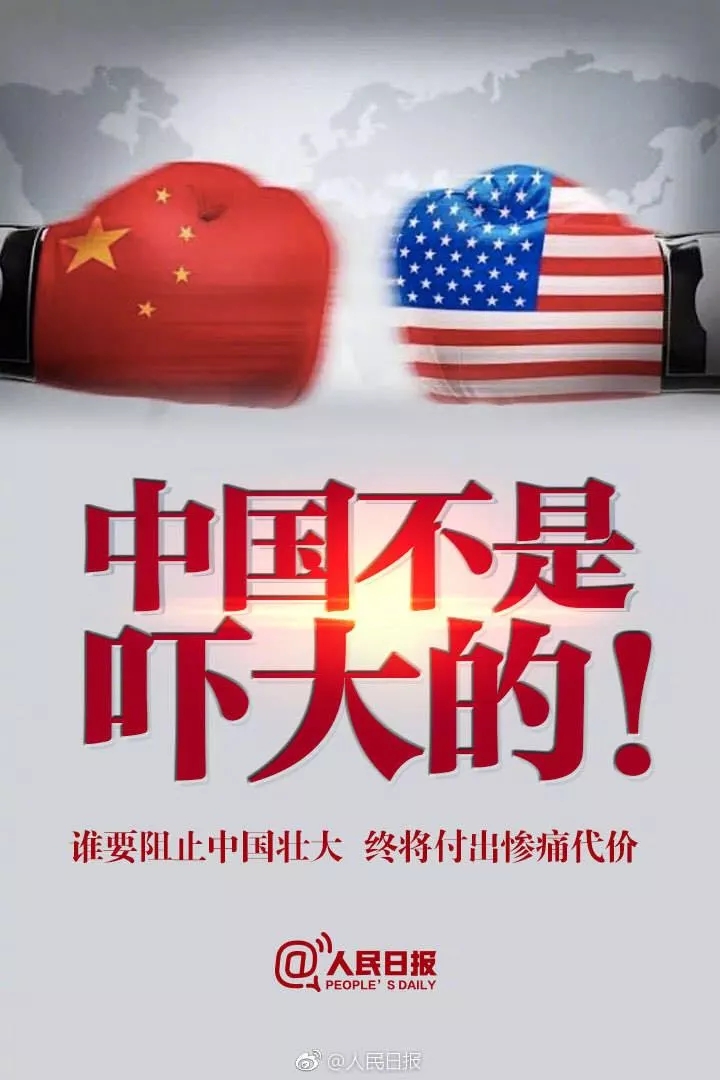
100 billion didn’t scare China, but I didn’t expect the US stock market to hold on first …
Sino-US trade friction made by the United States, the bill is getting bigger and bigger.
The scale of taxable commodities ranges from $3 billion to $50 billion and then to $100 billion. Although the latter two quotas of taxable commodities have not been implemented, the market is already paying the price … …
US stocks reappeared and fell sharply.
The market value once evaporated by trillions of dollars.
From late March to now, the American stock market and futures market have been ups and downs, and one of the major variables is Sino-US trade friction.
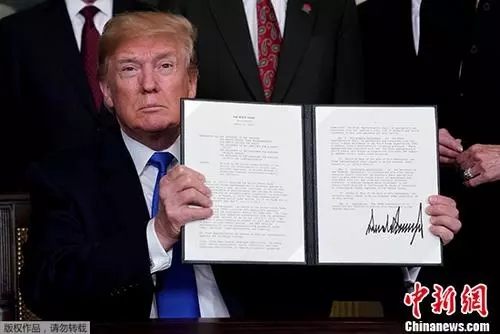
On March 22nd, local time, US President Trump signed a presidential memorandum, announcing that large-scale tariffs will be imposed on goods imported from China, and the scale of tax-related goods in China can reach 50 billion US dollars. In the following two days, the US Dow Jones index fell 3.64% and 1.77%. In just two trading days, the total market value of US stocks has shrunk by 1.80 trillion US dollars.
Later, because US President Trump suddenly announced that he had instructed the US Trade Representative to consider whether it was appropriate to impose tariffs on US$ 100 billion of China goods under Article 301, the trade friction between China and the United States escalated again. On the 6th, all three major stock indexes of new york stock market closed down again, and the Dow Jones Industrial Average fell nearly 800 points that day.
Some analysts pointed out that the renewed warming of Sino-US trade friction stimulated investors’ anxiety, which led to the phenomenon of selling in the stock market. In addition, the number of new jobs in the United States in March was much lower than expected, which also made the stock market "worse".
The biggest drop this time is still the manufacturing giant, Boeing fell by 3.1%, Caterpillar, which is engaged in the production of construction and mining equipment, fell by 3.5%, and agricultural machinery manufacturer John Deere fell by 3.9%. Financial stocks also dropped significantly, with Goldman Sachs Group shares down 2.3% and JPMorgan Chase down 2.5%.
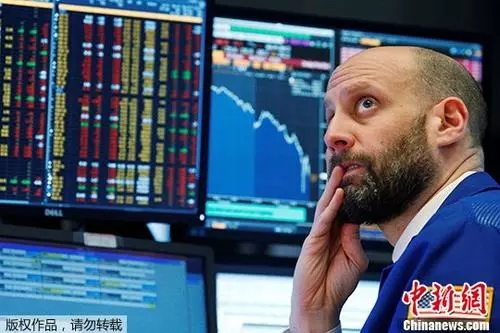
On the 6th, several American officials voiced their voices to try to appease the stock market sentiment, but they still could not alleviate the situation that the stock market kept falling.
CNN pointed out that even if Trump’s tariff threat is only a bargaining chip, if the negotiation result is not satisfactory, it will still bring irreparable influence to the market.
China still has a hard card in his hand!
On the 6th, He Weiwen, a senior researcher at the Globalization Think Tank (CCG) and executive director of the China WTO Research Association, told the Global Times reporter that the Trump administration has gone further and further on the road of breaking WTO rules because of its political needs in the domestic mid-term elections.
At the same time, it also shows that the higher Trump holds his big stick, the greater concessions he needs from the other side. However, as the second largest economy in the world, China has reciprocal measures, which will also have reciprocal counter-measures effect.
China’s cards haven’t all been shown!
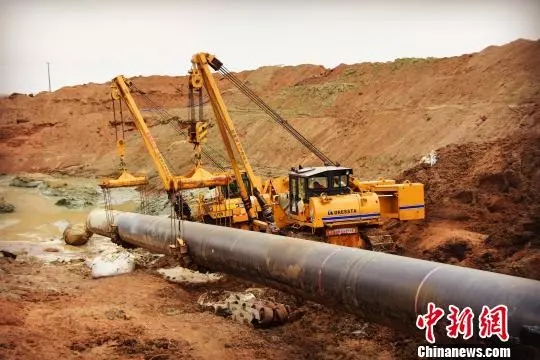
He Weiwen said, "China is the largest regional buyer of oil and liquefied natural gas in the United States. I have mentioned before that we can consider imposing tariffs on petrochemical products in the United States. These are all options that can be considered, but this does not mean that this is all that China can sanction American trade. According to statistics, the sales of American companies in China have reached 300 billion US dollars, which are all counter-carriers that China can consider. "
Strong response from China:
China is not scared!
On the 5th, US President Trump asked the Office of the US Trade Representative to impose additional tariffs on $100 billion of goods imported from China according to the "301 investigation", and China made a particularly quick and firm statement!
On the morning of the 6th, China’s Ministry of Commerce and Ministry of Foreign Affairs responded: We have taken note of the US statement. China’s position on Sino-US economic and trade issues has been made very clear. We don’t want to fight, but we are not afraid of a trade war.
If the United States persists in unilateralism and trade protectionism regardless of the opposition of China and the international community, China will accompany it to the end and will resolutely fight back at any cost, and will take new comprehensive measures to resolutely defend the interests of the country and the people.
On the evening of the same day, at the briefing held by the Ministry of Commerce, Gao Feng, a spokesperson, once again responded that China had drawn up very specific countermeasures. Chinese always takes things very seriously, and we will keep our word.
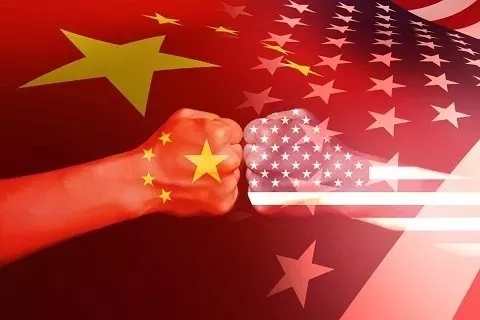
China’s tough stance attracts international attention.
Many international media paid attention to China’s tough counterattack.
Sputnik quoted a spokesman for China’s Ministry of Commerce as saying that the Sino-US economic and trade conflict was provoked by the US, and in essence it was a provocation of US unilateralism to global multilateralism and US protectionism to global free trade.
Agence France-Presse reported that China said on the 6th that it was prepared to pay "any price" in a possible "trade war" with the United States.
British Sky TV also commented that China has launched its latest offensive in a "possible trade war", saying that it will continue to launch a counterattack against the United States "at any cost".
At the same time, some media have issued a document criticizing the US behavior for harming the global economy.
The Financial Times commented that the White House’s statement on the 5th has once again escalated the trade wrestling between the United States and China. This wrestling has put a heavy pressure on the global market, which has intensified people’s concerns about a trade war that may damage global economic growth.
The British "Daily Telegraph" reported on the possible consequences of Trump’s latest statement on the 6 th that the financial market in the United States was turbulent due to the Sino-US trade dispute and the management of the US President. After a bullish normal trading day, American stock index futures fell sharply in after-hours trading.