The United States "waved a big stick of sanctions" against Russia, and most of the sanctions were "stillborn"
CCTV News:In fact, before it really announced that it would take sanctions against Russia, the United States had long been "suspected by former Russian agents ‘ Poisoning ’ " Make a fuss about the incident. In addition to this incident, there are many excuses for the United States to launch sanctions against Russia.
In March this year, Western countries including Britain and the United States collectively "stood in line" and expelled more than 150 Russian diplomats. Among them, the United States took the heaviest shot, expelling 60 Russian diplomats and closing the Russian Consulate General in Seattle. In response, Russia expelled 60 American diplomats in Russia and closed the US Consulate General in St. Petersburg.
Excuse 1: "interfering in the US election"

In addition to "diplomatic war", the United States also used various excuses to "wave sanctions sticks", accusing Russia of "interfering in the US election" is one of them.
In response, the US Treasury Department announced on March 15th this year that it would impose sanctions on five Russian entities and 19 individuals. According to the regulations, the assets of sanctioned individuals and entities in the United States will be frozen and American citizens are not allowed to trade with them.
However, when the Russian media asked the United States to produce conclusive evidence of "interference in the US election", it did not get an answer.
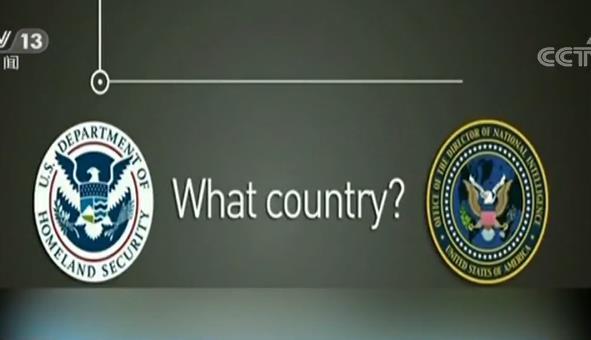
Russian TV reporter miguel francis Santiago today: "What specific behavior? Which country is Russia trying to sabotage? There is also no evidence, but they are eloquent. "
Excuse 2: the "Ukrainian crisis" escalated
Another excuse for the United States to sanction Russia is the "Ukrainian crisis."
After the outbreak of the Ukrainian crisis in 2014, the United States imposed several rounds of sanctions on Russia because of the conflict between Crimea and eastern Ukraine.

In response, Putin signed a presidential decree in August 2014 to implement anti-sanction measures against western countries, mainly including restricting the import of agricultural products, raw materials and food. Since then, the Russian government has held a working meeting every June to discuss whether it is necessary to continue to extend Russia’s anti-sanctions measures. At present, the anti-sanctions measures have been extended to 2019.
Excuse 3: "Support the Syrian government to use chemical weapons"
In addition to the sanctions that have already been implemented, the United States still has some sanctions that are "stillborn." In April this year, the US government planned to impose sanctions on Russia on the grounds that "Russia supports the Syrian government in using chemical weapons", and the US Permanent Representative to the United Nations Heili also "predicted" the sanctions the day before.
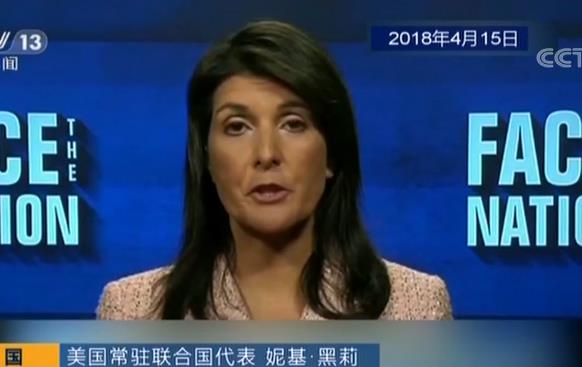
Nikki Haley, United States Permanent Representative to the United Nations"You will see that the United States will impose additional sanctions on Russia, and Finance Minister Mnuchin will announce it on Monday (April 15, 2018)."
However, until now, there is no conclusive evidence that the Syrian government has used chemical weapons, and the so-called Russian support has gone away.
For the sanctions in the pipeline, the US Treasury Department did not "officially announce" as scheduled. Some American officials revealed that the White House did discuss additional sanctions against Russia, but there were many contradictions and different opinions within the US government, and finally it had to give up.